
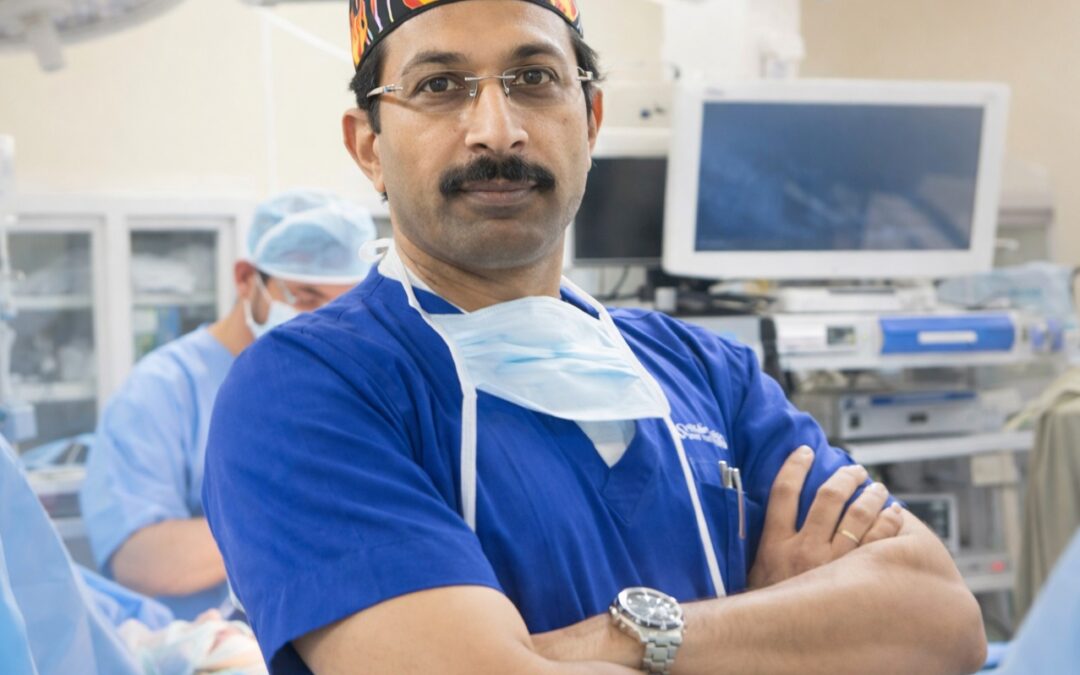
During a medical discussion held in Dubai, Dr. Sathyaki Nambala, Senior Consultant and Chief of Cardiac Surgery at Apollo Hospitals, addressed the growing burden of cardiovascular diseases across the Middle East and highlighted recent advancements in cardiac surgical techniques.
Speaking at the event, Dr. Sathyaki noted that unhealthy dietary habits and sedentary lifestyles continue to play a significant role in the rising incidence of cardiovascular diseases in the region. According to World Health Organization data referenced during the discussion, cardiovascular diseases account for nearly 54 percent of deaths from non-communicable diseases across the Eastern Mediterranean region, with ischemic heart disease emerging as the leading cause of mortality.
Lifestyle Factors Driving Cardiovascular Disease
Dr. Sathyaki emphasized that several modifiable risk factors are contributing to the increasing prevalence of heart disease, including hypertension, diabetes, high cholesterol, smoking, obesity, and physical inactivity. He highlighted that levels of physical inactivity in the Middle East remain among the highest globally, with increasing rates of overweight and obesity among women and children raising particular concern.
He further noted that in countries such as Bahrain, Kuwait, the UAE, and Saudi Arabia, obesity rates among women have crossed 70 percent in some populations. Tobacco use also continues to be a major concern, with smoking prevalence among adult men ranging widely across the region. High blood pressure, another major risk factor, is estimated to contribute to millions of deaths globally each year.
While genetics may influence cardiovascular risk, Dr. Sathyaki explained that rapid socio-economic development and associated lifestyle changes have significantly contributed to the growing disease burden. He stressed the need for a multi-pronged approach involving lifestyle modification, awareness, and preventive healthcare measures.
Role of Government and Community Awareness
During the discussion, Dr. Sathyaki acknowledged the increasing efforts by governments in Middle Eastern countries to promote healthier lifestyles. Initiatives encouraging physical activity and school-based campaigns promoting healthy eating habits were highlighted as important steps toward long-term prevention of cardiovascular disease.
Advances in Cardiac Surgery: The Role of Minimally Invasive Techniques
Addressing technological advancements, Dr. Sathyaki discussed how Minimally Invasive Cardiac Surgery (MICS) has transformed modern cardiac care. Unlike conventional open-heart surgery, MICS involves small incisions made between the ribs to access the heart, reducing surgical trauma while enabling procedures such as minimally invasive coronary bypass surgery, valve surgeries, and closure of septal defects.
Global clinical data, he noted, demonstrate favorable success rates for minimally invasive approaches, with no strict age limitation for suitable patients.
Evolution Toward Robotic-Assisted Cardiac Surgery
As minimally invasive techniques continue to evolve, developments in tele-manipulation technology and advanced optics have enabled the growth of robotic-assisted cardiac surgery. Dr. Sathyaki described robotic systems as the latest advancement in minimally invasive surgical technology, offering enhanced precision, improved dexterity, tremor-free movements, and superior visualization for surgeons.
He explained that these advances have contributed to shorter hospital stays, faster recovery, and reduced need for blood transfusion in many patients. Patients are often able to walk within 24 hours following surgery, with pain typically managed through standard medication.
Experience and Contribution to Minimally Invasive Cardiac Surgery
Dr. Sathyaki also shared his clinical experience in the field, having performed more than 8,000 open-heart surgeries and over 2,000 minimally invasive cardiac procedures. He has played a key role in establishing and expanding minimally invasive cardiac surgery programs and contributing to the wider adoption of these techniques.