Minimally Invasive Cardiac Surgery
Heart Surgery,
Reimagined
Minimally Invasive Cardiac Surgery without cutting the breastbone. Smaller incisions, faster recovery, and outcomes refined over 18 years and 4,000+ procedures.
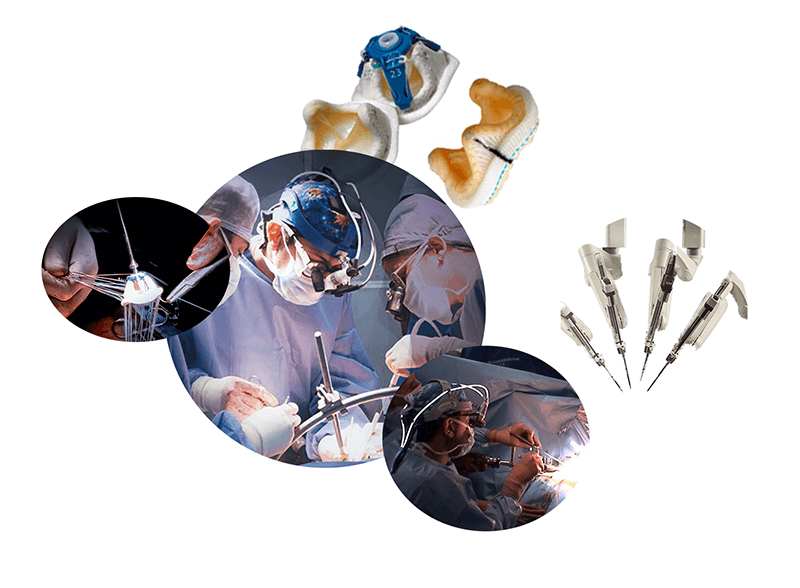
Back to daily life after MICS CABG
Recovery
Within A Week


18+
YEARS OF EXPERIENCE
4000+
MI Procedures
99%
SUCCESS RATE
OUR PHILOSOPHY
The art of healing the heart.
We believe every heart deserves the utmost care and precision. Our dedicated team pioneers techniques that not only enhance recovery but ensure a seamless journey towards better heart health — combining innovation with compassion at every step.
No Bones Cut
Faster Recovery
Robotic Precision
Globally Trained
WHAT WE DO
Common procedures, uncommon care.
Three signature programs delivered by India's most experienced minimally invasive cardiac team.

BYPASS SURGERY
MICS CABG
Multi-vessel bypass made simple. Heal faster and recover within a week — ideal for anyone needing bypass surgery.
VALVE SURGERY
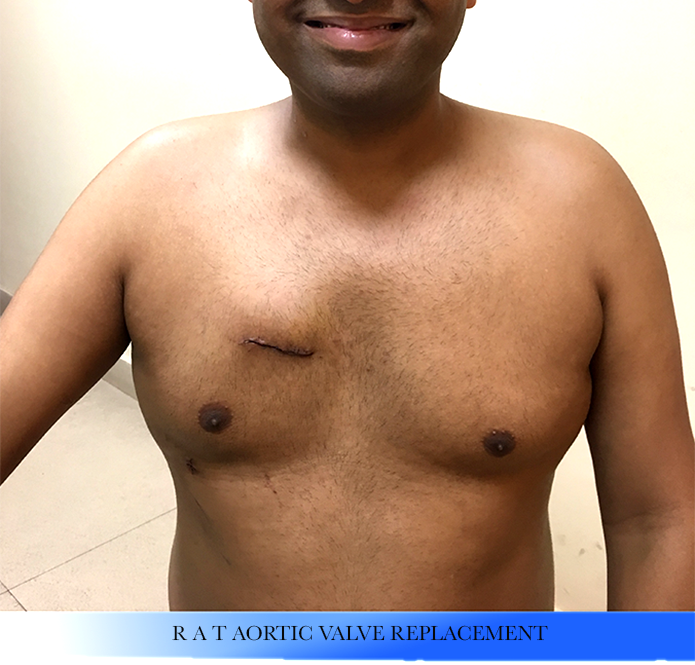
Minimally Invasive AVR
Aortic, mitral or tricuspid valve replacement or repair through a small 2-inch incision. Goodbye to open surgery.
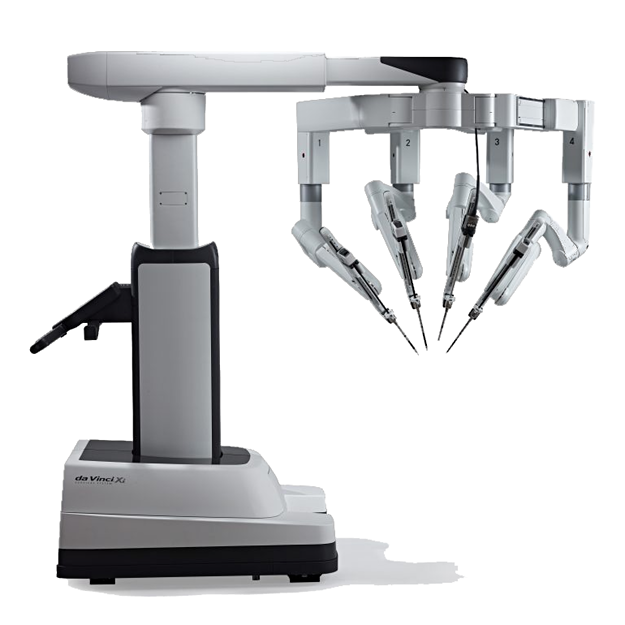
ROBOTIC ASSISTED
Robotic Heart Surgery
The ultimate in minimally invasive — least painful, fastest recovery, with high-precision robotic assistance.
Milestones Achieved
Numbers that speak for themselves.
600+
Surgeries each year
99%
Success Rate
3 Days
Average Full Recovery
4000
Minimally invasive procedures
Why MICS?
Benefits of robotic & minimally invasive heart surgery.
Smaller incisions & minimal scarring
No breastbone is cut — incisions are tiny, scars almost invisible.
Reduced pain post-procedure
Less muscle disruption means significantly less post-op pain.
Faster recovery, shorter stay
Most patients are discharged within a few days and home soon after.
Lower infection & bleeding risk
Less tissue trauma means safer outcomes and fewer complications.
Robotic precision & 3D vision
High-definition visualisation and finely controlled instruments.
Quicker return to work
Resume daily life sooner — often within a single week.
Superior cosmetic outcomes
Minimised scarring leads to better body image and confidence.
Reduced tissue trauma
Sternum and major muscles are spared, improving function.
Long-term satisfaction
Smoother recovery means better quality of life, fewer complications.
Tailored care pathway
Personalised from consultation through structured discharge planning.
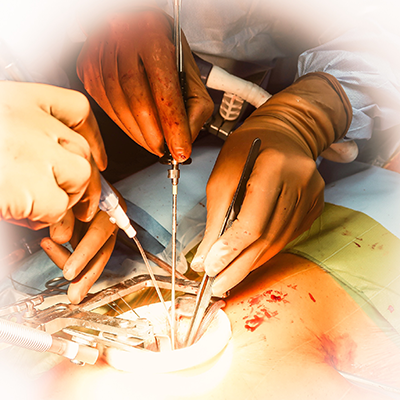
What to expect.
1
Seek a professional consultation to confirm the procedure is right for you.
2
Arrive 24 hours prior to surgery for preparation and pre-operative checks.
3
After surgery, the surgeon discusses outcomes with your family directly.
4
Overnight stay in the ICU, transfer to your room the following morning.
5
The next 48 hours are dedicated to walking, physiotherapy and stair climbing.
6
Most patients leave performing daily activities independently.
Get in touch
Schedule your consultation today.
Our team is here to answer your questions and guide you towards the right minimally invasive option for your heart.
Call Us
+91 819 719 6622
micasblr@gmail.com
VISIT
Apollo Hospitals
154, 11, Bannerghatta Main Rd, Bengaluru, Karnataka 560076