

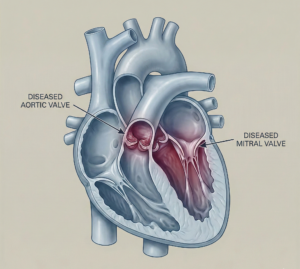
Double valve replacement is a complex cardiac procedure required when two heart valves—most commonly the aortic and mitral valves—are severely diseased and cannot be repaired. Traditionally, this surgery was associated with high risk, prolonged recovery, and significant surgical trauma. However, recent advances in cardiac surgery have dramatically changed this narrative.
Today, minimally invasive and robotic techniques, improved valve technology, and refined perioperative care have made double heart valve replacement safer, more precise, and more patient-friendly than ever before.
 Understanding Double Valve Replacement
Double valve replacement surgery involves replacing two malfunctioning heart valves during a single operation. This condition often arises due to:
- Rheumatic heart disease
- Degenerative valve disease
- Infective endocarditis
- Long-standing valve regurgitation or stenosis
If left untreated, dual valve disease can progress to heart failure, arrhythmias, pulmonary hypertension, and reduced life expectancy. Learn more about how valve disorders affect heart function here.
 Why Double Valve Surgery Was Traditionally Considered High Risk
Conventional double valve replacement required:
- Full sternotomy (opening the breastbone)
- Prolonged cardiopulmonary bypass time
- Longer ICU and hospital stays
- Higher risk of bleeding, infection, and delayed recovery
Because of this, many patients delayed surgery until symptoms became severe, increasing long-term complications such as atrial fibrillation and heart failure
Recent Advances Transforming Double Valve Replacement
1. Minimally Invasive Double Valve Replacement
One of the most significant advances is the adoption of minimally invasive heart valve surgery, where both valves can be replaced through small side chest incisions, avoiding complete breastbone cutting.
This approach significantly reduces:
- Surgical trauma
- Blood loss
- Postoperative pain
- Recovery time
Patients undergoing minimally invasive valve procedures often experience faster functional recovery compared to traditional open surgery.
 2. Robotic-Assisted Double Valve Surgery
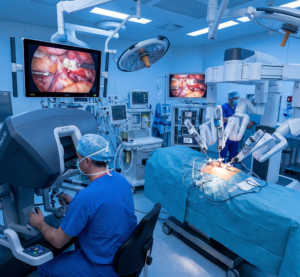
Robotic cardiac surgery represents the most advanced evolution in valve replacement. Using robotic arms controlled by an experienced cardiac surgeon, double valve procedures can be performed with exceptional precision and minimal tissue disruption.
Robotic systems offer:
- High-definition 3D visualization
- Enhanced surgical dexterity
- Greater accuracy in valve positioning
- Minimal scarring and improved cosmetic outcomes
Robotic techniques are already well-established in mitral valve repair and replacement and are increasingly applied in complex multi-valve procedures
Patients concerned about safety can explore the benefits, risks, and success rates of robotic cardiac surgery
 3. Improved Valve Prosthesis Technology
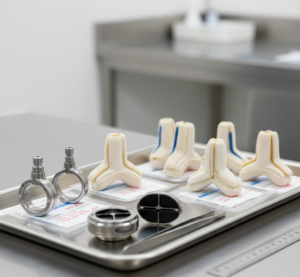
Another major advancement lies in next-generation valve prostheses, including:
- Durable mechanical valves with improved hemodynamics
- Advanced bioprosthetic valves with longer lifespan
- Emerging polymer-based valve technologies
These innovations reduce complications such as valve degeneration and thrombosis, improving long-term outcomes after double valve replacement surgery.
Choosing the right valve is critical and depends on age, lifestyle, and medical profile.
4. Hybrid and Tailored Surgical Strategies
Modern cardiac care focuses on individualized treatment planning. In some patients, one valve may be repaired while the other is replaced, reducing surgical complexity and preserving native valve function.
This tailored approach aligns with the broader philosophy of minimally invasive cardiac surgery (MICS)
 Double Valve Replacement Surgery: Success Rates Today
With modern techniques, the double valve replacement surgery success rate has improved significantly. In experienced centers:
- Operative mortality has decreased
- Long-term survival has improved
- Quality of life outcomes are excellent
Early intervention before advanced heart failure or rhythm disturbances further improves success rates. Risk factors influencing outcomes are there as well so choose wisely
Recovery After Modern Double Valve Replacement
Thanks to minimally invasive and robotic techniques, recovery timelines are shorter and more predictable:
- Early mobilization within days
- Reduced ICU stay
- Faster return to daily activities
Lifestyle modifications after surgery also play a key role in long-term success
Double Valve Replacement Cost in India
The double valve replacement cost in India varies depending on:
- Type of valves used
- Surgical approach (open vs minimally invasive vs robotic)
- Hospital infrastructure and expertise
- Patient complexity and associated conditions
While advanced techniques may appear costlier initially, they often reduce overall expenses by minimizing complications and shortening hospital stays.
Why Early Surgical Evaluation Matters
Delaying surgery can result in irreversible heart damage, arrhythmias, or sudden cardiac events. Early assessment allows surgeons to plan less invasive, safer interventions with better long-term outcomes.
Real-World Outcomes and Patient Experiences
Patient journeys undergoing minimally invasive and robotic cardiac surgeries demonstrate the tangible benefits of modern techniques.
These experiences reinforce that double valve replacement is no longer synonymous with prolonged suffering or delayed recovery.
 How MICSHeart Helps Patients Navigate Advanced Valve Surgery
MICSHeart is dedicated to providing trusted, evidence-based guidance on advanced cardiac procedures, including minimally invasive and robotic double valve replacement. Our platform connects patients with expertise that prioritizes precision, safety, faster recovery, and long-term outcomes—without unnecessary surgical trauma.
If you or a loved one has been advised double valve surgery and want to explore modern, less invasive options, expert evaluation is the first step.
Frequently Asked Questions (FAQs)
- Is double valve replacement more risky than single valve surgery?It is more complex, but with modern minimally invasive and robotic techniques, outcomes are highly favorable in experienced centers.
- What is the success rate of double valve replacement surgery?Current success rates are high, especially when performed before advanced heart failure or rhythm disorders develop.
- Can double valve replacement be done without open-heart surgery?Yes. Many patients are eligible for minimally invasive or robotic approaches, avoiding full sternotomy.
- How long does recovery take after double valve replacement?Most patients resume routine activities within 4–6 weeks, depending on the surgical approach and overall health.
- Is double valve replacement permanent?Yes. Valve replacements are designed for long-term function, with durability depending on valve type and patient factors.