Cardiac tumors, though rare, are significant health concerns that require timely diagnosis and treatment. MICSHeart, a leader in minimally invasive cardiac surgery, provides expert insights into the nature of these tumors, their symptoms, and the advanced treatment options available. By focusing on precision, safety, and faster recovery, MICSHeart empowers patients to make informed decisions about their heart health.
Understanding cardiac tumors is crucial for individuals diagnosed with them, as well as their families. With MICSHeart’s commitment to clear and compassionate information, patients can navigate their treatment options with confidence and clarity. In this article, we will explore the symptoms, types, and modern treatment methods of cardiac tumors, emphasizing the minimally invasive techniques that make recovery less daunting.
What is a Cardiac Tumor?
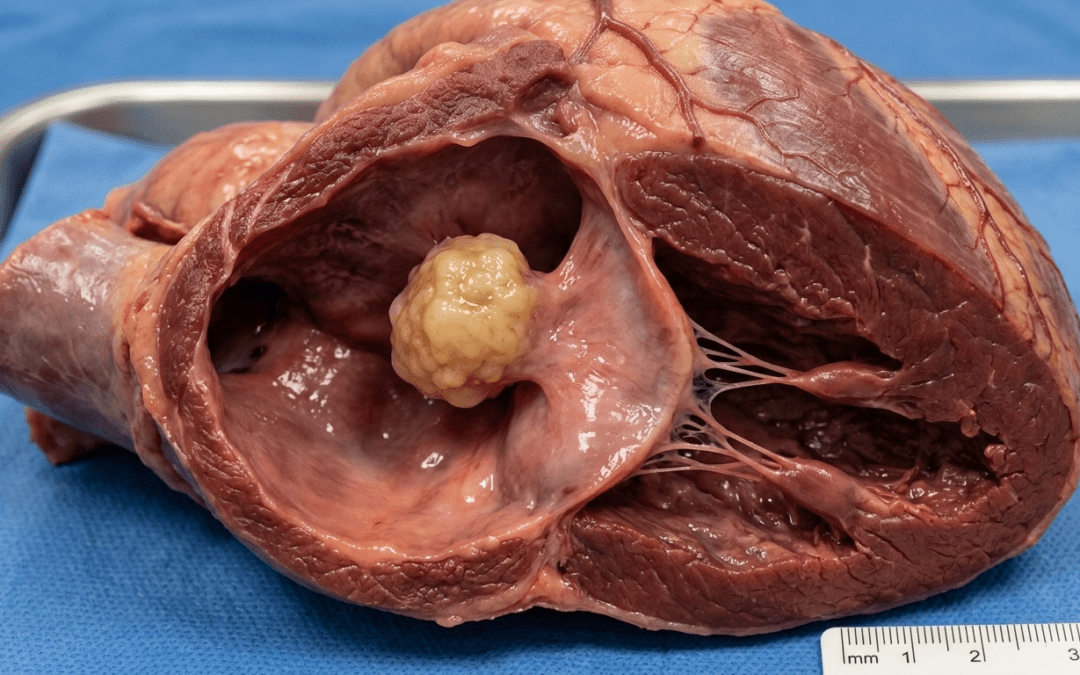
A cardiac tumor is an abnormal growth in the heart or heart valves. These tumors can be primary, originating in the heart, or secondary, spreading from other parts of the body. Although cardiac tumors are uncommon, their presence can significantly affect heart function and overall health.
Primary cardiac tumors are usually benign, with myxomas being the most common type. These tumors typically form in the left atrium and can obstruct blood flow, leading to various complications. On the other hand, malignant tumors such as sarcomas are less common but more aggressive and require prompt intervention.
Understanding the nature of cardiac tumors is essential for effective treatment planning. MICSHeart offers comprehensive resources to help patients and their families grasp the complexities of these conditions and explore safe, minimally invasive surgical options.
Types of Cardiac Tumors
Primary cardiac tumors are classified as benign or malignant. Benign tumors, such as myxomas, fibromas, and lipomas, are generally non-cancerous and less likely to spread. Despite their benign nature, they can cause serious health issues if they obstruct blood flow or interfere with heart function.
Malignant tumors, including sarcomas and lymphomas, are cancerous and can rapidly invade surrounding tissues. These tumors often require aggressive treatment, combining surgery with chemotherapy or radiation therapy to manage the disease effectively.
Each type of cardiac tumor presents unique challenges and treatment considerations. MICSHeart provides evidence-based guidance to help patients understand their specific diagnosis and explore the most suitable surgical options.
Recognizing Cardiac Tumor Symptoms
The symptoms of cardiac tumors can vary widely, depending on the tumor’s size, location, and type. Common symptoms include shortness of breath, chest pain, and palpitations. Some patients may experience dizziness, fainting, or swelling in the legs due to impaired blood flow.
In certain cases, cardiac tumors can lead to systemic symptoms, such as fever or weight loss, especially if the tumor releases substances that affect the body’s normal functions. These symptoms can mimic other heart conditions, making accurate diagnosis crucial.
Early detection of cardiac tumor symptoms can significantly improve treatment outcomes. MICSHeart emphasizes the importance of recognizing these signs and seeking professional medical evaluation to determine the appropriate course of action.
Minimally Invasive Surgery for Cardiac Tumors
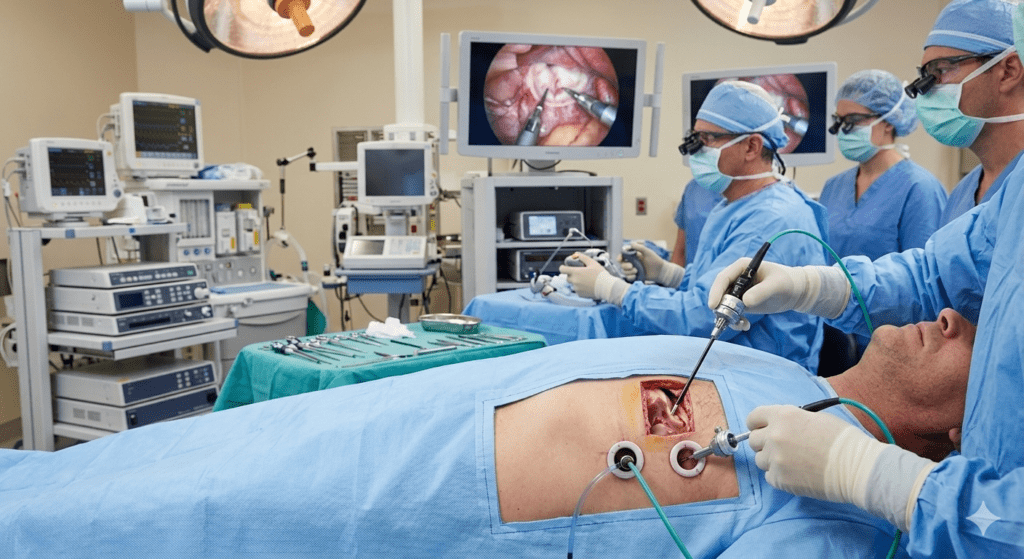
MICSHeart specializes in minimally invasive cardiac surgery, offering a less traumatic alternative to traditional open-heart procedures. This approach involves small, precise, camera-guided incisions to remove tumors, such as myxomas, from the left atrium.
The advantages of minimally invasive surgery include reduced trauma, shorter hospital stays, and faster recovery times. Patients can benefit from less pain and scarring, allowing them to resume daily activities sooner and with more confidence.
MICSHeart’s expertise in implementing these advanced techniques ensures high precision and safety. Patients can trust the platform’s commitment to transparency and patient-centered care, making informed treatment decisions without fear.
The Future of Cardiac Tumor Treatment
Advancements in medical technology continue to improve the treatment of cardiac tumors, offering new hope for patients seeking less invasive solutions. Minimally invasive techniques are at the forefront of these developments, providing safer and more effective options for tumor removal.
MICSHeart remains at the cutting edge of these advancements, continually updating its resources to reflect the latest in cardiac care. The platform’s dedication to innovation ensures that patients have access to the most current information and treatment options available.
By prioritizing patient education and empowerment, MICSHeart helps individuals and their families navigate the complexities of cardiac tumor treatment with confidence. The future of cardiac care is bright, with minimally invasive surgery leading the way towards improved patient outcomes and quality of life.
MICSHeart’s Expertise in Cardiac Surgery
MICSHeart’s dedication to minimally invasive cardiac surgery is backed by extensive clinical experience and a commitment to patient education. The platform simplifies complex medical information into accessible insights, empowering patients to understand their treatment options fully.
By focusing on evidence-based practices and maintaining a transparent approach, MICSHeart builds trust with its audience. The platform’s resources are tailored to meet the needs of heart patients and their families, providing reassurance through clear, non-alarming medical information.
MICSHeart’s expertise in cardiac surgery is reflected in its ability to deliver personalized care that prioritizes patient safety and outcomes. The platform’s empathetic and ethical values ensure that patients receive the guidance they need to make confident decisions about their heart health.

Recovery from minimally invasive cardiac surgery is typically quicker and less painful than traditional open-heart surgery. Patients often experience less discomfort due to smaller incisions, leading to a more comfortable healing process.
MICSHeart offers detailed guidance on post-surgery care, emphasizing the importance of following medical advice and maintaining a healthy lifestyle to support recovery. Patients are encouraged to engage in light physical activity, as recommended by their healthcare provider, to aid the healing process.
The reduced recovery time associated with minimally invasive surgery allows patients to return to their regular routines sooner, enhancing their quality of life. MICSHeart’s commitment to patient education ensures that individuals are well-informed about what to expect during the recovery phase.
Frequently Asked Questions
Q1. What are the common symptoms of cardiac tumors?
A1. Common symptoms of cardiac tumors include shortness of breath, chest pain, palpitations, dizziness, fainting, and swelling in the legs. Systemic symptoms like fever or weight loss can also occur if the tumor affects the body’s functions.
Q2. How are cardiac tumors diagnosed?
A2. Cardiac tumors are diagnosed through imaging tests such as echocardiograms, MRIs, or CT scans. These tests help in identifying the tumor’s size, location, and type, crucial for planning effective treatment.
Q3. What types of cardiac tumors exist?
A3. Cardiac tumors are classified as primary or secondary. Primary tumors originate in the heart and are often benign, like myxomas. Malignant tumors, such as sarcomas, are less common but more aggressive.
Q4. How does minimally invasive surgery benefit cardiac tumor patients?
A4. Minimally invasive surgery for cardiac tumors offers reduced trauma, shorter hospital stays, and faster recovery times. This method involves small, precise incisions, leading to less pain and scarring, allowing patients to resume daily activities sooner.
Q5. What is the role of MICSHeart in cardiac tumor treatment?
A5. MICSHeart specializes in minimally invasive cardiac surgery, providing expert insights and resources to help patients understand their treatment options. The platform emphasizes safety, precision, and patient education to empower informed decision-making.

Dr. Sathyaki Nambala
🗣 English, Hindi
Get Directions