
Congestive heart failure (CHF) is a condition that many heart patients fear but often misunderstand. At MICSHeart, we aim to demystify complex medical terms and provide clear, patient-friendly insights. This article will explore the symptoms, causes, and stages of CHF, empowering you with the knowledge you need to make informed decisions about your heart health.
Understanding Congestive Heart Failure
Congestive heart failure, often referred to simply as heart failure, occurs when the heart is unable to pump blood effectively to meet the body’s needs. This can lead to a buildup of fluid in the lungs and other tissues, causing a range of symptoms and complications.
CHF is not a sudden event but a gradual decline in heart function. It’s essential to recognize the signs early to manage the condition effectively. While it might sound daunting, understanding CHF can help reduce fear and provide a clear path forward.
Unlike many acute heart conditions, CHF is a chronic illness that requires ongoing management. By understanding the disease, patients can take proactive steps to improve their quality of life and slow the progression of the disease.
Common Symptoms of Congestive Heart Failure
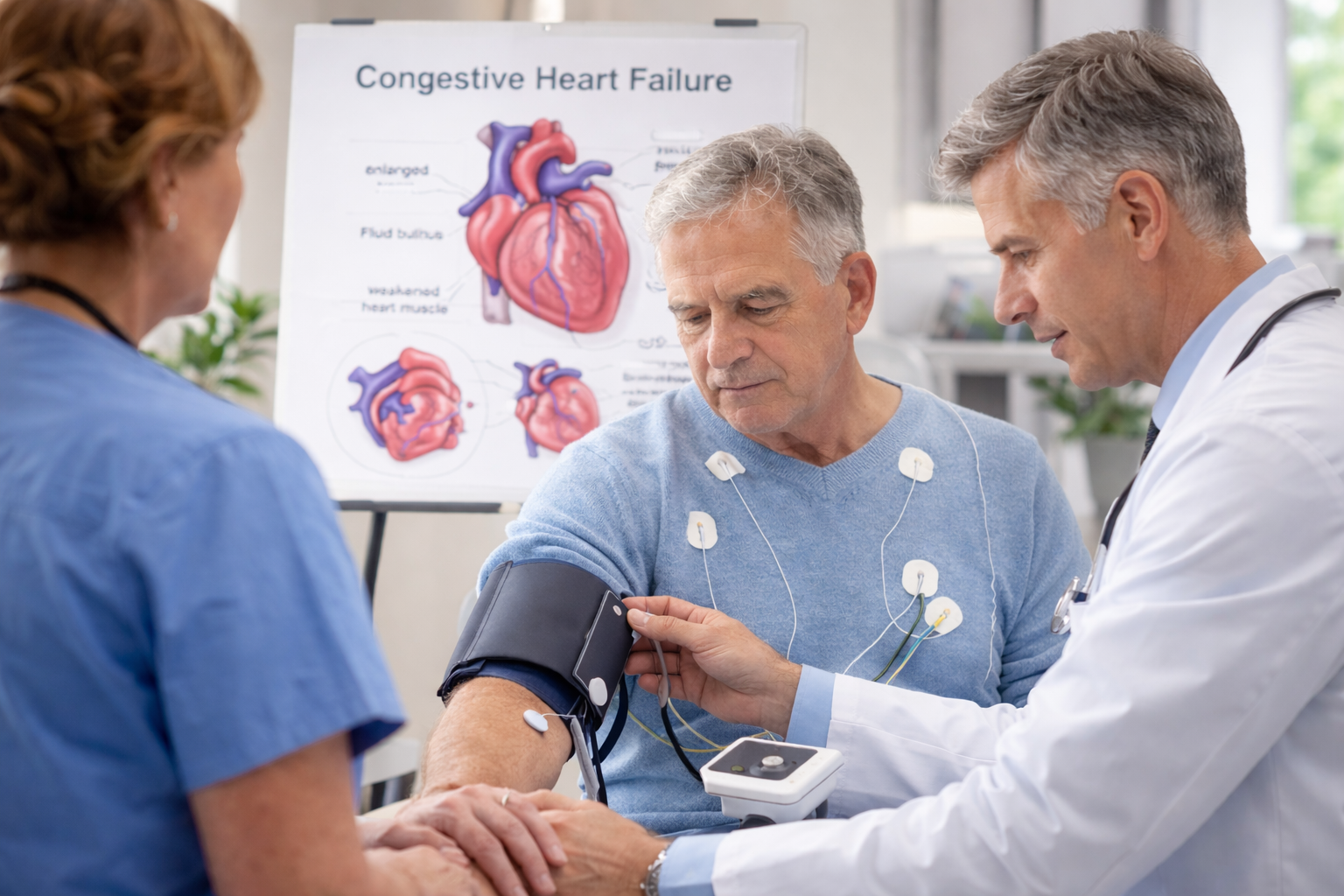
Recognizing the symptoms of CHF is crucial for timely intervention. The signs can vary depending on the severity of the condition but often include:
- Shortness of breath, especially during physical activities or when lying flat.
- Persistent coughing or wheezing, sometimes producing white or pink blood-tinged mucus.
- Swelling in the legs, ankles, and feet due to fluid retention.
- Fatigue and weakness, making everyday activities more challenging.
These symptoms can sometimes be mistaken for other conditions, such as asthma or chronic obstructive pulmonary disease (COPD). Therefore, it’s essential to consult a healthcare provider if you’re experiencing any of these signs.
Causes of Congestive Heart Failure
Several factors can contribute to the development of CHF. Understanding these causes can help patients take preventive measures and manage their condition more effectively.
Common causes include coronary artery disease, high blood pressure, and previous heart attacks. Each of these conditions can weaken the heart over time, increasing the risk of CHF.
Other contributing factors can be lifestyle-related, such as obesity, diabetes, and excessive alcohol consumption. Managing these risk factors can significantly reduce the likelihood of developing heart failure.
The Stages of Congestive Heart Failure
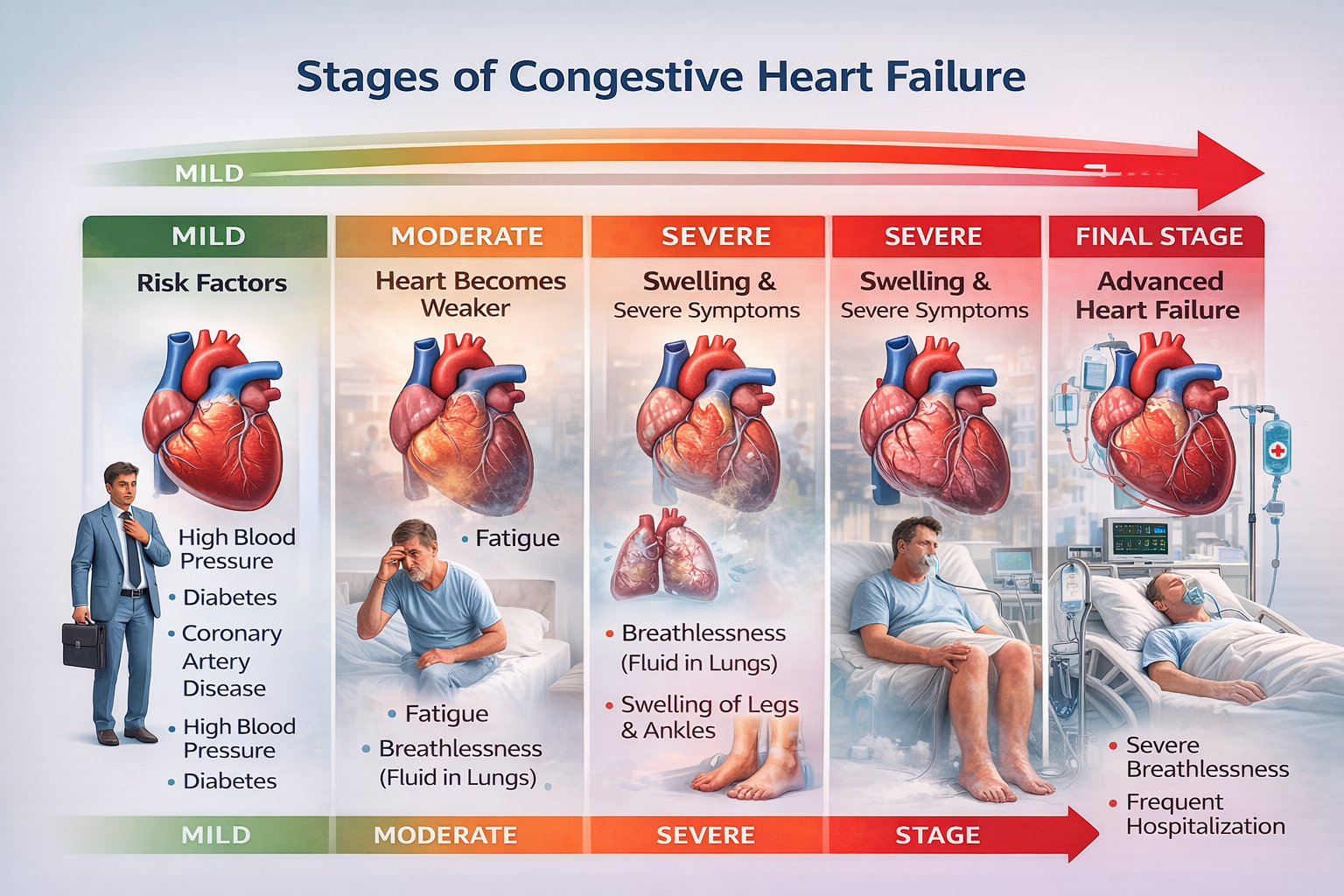
CHF is categorized into four stages, each representing the progression of the disease. Understanding these stages can help patients and caregivers anticipate changes in health and treatment needs.
Stage A: At this stage, patients are at high risk of developing heart failure but do not yet have any symptoms. It’s crucial to manage risk factors through lifestyle changes and medical interventions.
Stage B: Patients have structural heart disease but still show no symptoms of heart failure. This stage requires close monitoring and often involves medication to prevent progression.
Stage C: This stage is characterized by the presence of symptoms. Patients will require a combination of lifestyle changes, medications, and possibly surgical interventions to manage the condition.
Stage D: At this advanced stage, patients experience severe symptoms despite treatment. Care focuses on managing symptoms and improving quality of life, often involving more complex interventions.
Managing Congestive Heart Failure
Effective management of CHF involves a combination of medical treatment and lifestyle modifications. Patients need to work closely with their healthcare providers to develop a personalized management plan.
Medications such as ACE inhibitors, beta-blockers, and diuretics are often prescribed to help manage symptoms and improve heart function. It’s essential to follow the prescribed treatment regimen closely to prevent the progression of the disease.
In addition to medication, lifestyle changes can significantly impact the management of CHF. These include dietary modifications, regular physical activity, and quitting smoking. Patients should also monitor their weight and blood pressure regularly to detect any changes early.
The Role of Minimally Invasive Cardiac Surgery
For some patients with CHF, minimally invasive cardiac surgery (MICS) can be a viable option. This advanced surgical technique offers several benefits over traditional open-heart surgery, including reduced trauma, faster recovery, and shorter hospital stays.
MICSHeart is dedicated to providing information on these modern surgical alternatives, helping patients explore less invasive options with confidence. The precision and safety of MICS make it an attractive choice for those seeking to minimize surgery-related stress and recovery time.
By understanding the potential benefits of MICS, patients can have informed discussions with their healthcare providers about whether this option is suitable for their specific condition.
When to Seek Medical Advice
If you or a loved one are experiencing symptoms of CHF, it’s crucial to seek medical advice promptly. Early diagnosis and intervention can significantly improve outcomes and quality of life.
Healthcare providers can offer a range of diagnostic tests, including echocardiograms, blood tests, and stress tests, to assess heart function and determine the most appropriate treatment plan.
Remember, managing CHF is a collaborative effort between patients, families, and healthcare providers. Open communication and proactive management are key to living well with this condition.
Empowering Patients Through Knowledge
At MICSHeart, we believe that knowledge is power. By providing clear, evidence-based information, we aim to empower patients to make confident decisions about their heart health.
Whether you’re newly diagnosed or seeking a second opinion, understanding CHF and its management options can help reduce fear and uncertainty.
We encourage patients and their families to explore all available information, ask questions, and engage actively in their healthcare journey. By doing so, you can take control of your heart health and explore modern, less invasive treatment options with confidence.
Further reading:
heart bypass surgery cost in India — Cost information
minimally invasive valve replacement — Surgical alternatives
risk factors for heart disease — Risk management
how to prevent heart disease — Prevention tips
FAQ Draft (Q&A):
Q1. What are the early symptoms of congestive heart failure?
A1. Early symptoms of congestive heart failure include shortness of breath, fatigue, and swelling in the legs, ankles, and feet. These symptoms may vary in severity and can be mistaken for other conditions, so it’s crucial to consult a healthcare provider for an accurate diagnosis.
Q2. How is congestive heart failure diagnosed?
A2. Congestive heart failure is diagnosed through a combination of medical history, physical examination, and diagnostic tests like echocardiograms, blood tests, and stress tests. These help assess heart function and identify any underlying causes of the condition.
Q3. Can lifestyle changes help manage congestive heart failure?
A3. Yes, lifestyle changes such as dietary modifications, regular physical activity, and quitting smoking can significantly impact the management of congestive heart failure. These changes, along with medication, can improve symptoms and slow disease progression.
Q4. What is the role of minimally invasive cardiac surgery in treating CHF?
A4. Minimally invasive cardiac surgery (MICS) can be an option for some CHF patients, offering benefits like reduced trauma and faster recovery compared to traditional surgery. It’s essential to discuss with healthcare providers if MICS is suitable for your specific condition.