


A cardiac arrest is one of those moments that can change everything in an instant. It happens suddenly and often without warning, leaving little time to react. In simple terms, cardiac arrest occurs when the heart unexpectedly stops beating. When this happens, blood can no longer flow to the brain, lungs, or other vital organs. Within seconds, the person may lose consciousness and stop breathing.
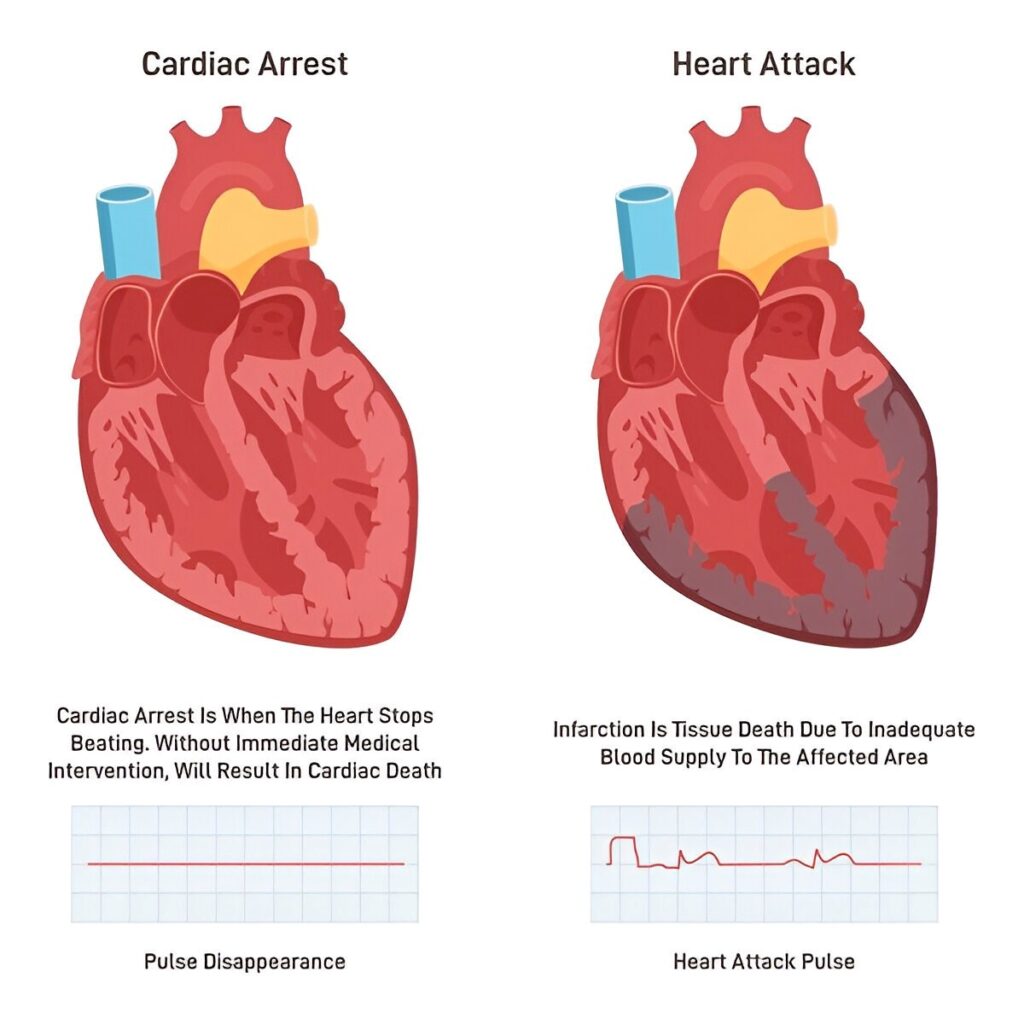
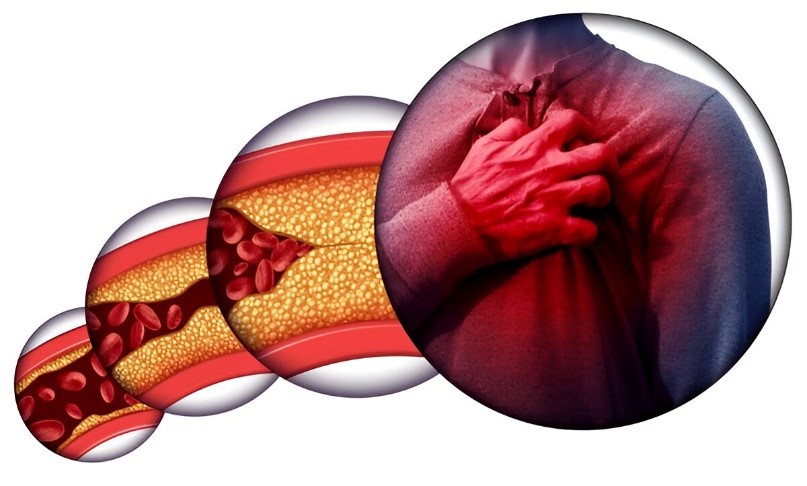
There is often confusion between cardiac arrest and a heart attack. While they both involve the heart, they are very different events. A heart attack is caused by a blockage that prevents blood from reaching the heart muscle. The heart usually continues beating, but part of the muscle is being damaged. Cardiac arrest, on the other hand, is caused by a malfunction in the heart’s electrical system. It leads to an immediate stop in heart function and is far more urgent.
Understanding the difference helps us see just how critical cardiac arrest is. But it also opens the door to a hopeful truth. Cardiac arrest is treatable when addressed quickly. And with the right response, lives can absolutely be saved. Recognising the signs of cardiac arrest early can truly make the difference between life and loss.

Why Early Recognition Can Make All the Difference
In the case of cardiac arrest, time is everything. Every second that passes without action reduces the chances of survival. But when someone nearby recognizes what is happening and acts quickly, it can be the difference between life and loss.
One of the most powerful tools we have is awareness. Knowing the signs, staying calm, and taking simple steps in those first few moments can restart a life. Immediate medical support, often beginning with CPR and a call to emergency services, keeps oxygen flowing to the brain until professional care arrives.

This is not about medical training. It is about understanding. It is about being ready in a quiet, steady way. You do not need to do everything. You just need to know enough to begin.
And that is why reading this now is important. The knowledge you are gaining could make a real difference for someone you love or even for yourself. Because cardiac arrest does not always happen in a hospital. It can happen at home, at work, or in public. It often happens in the presence of family or friends. Being able to recognise the early signs of cardiac arrest, even before it strikes fully, can save a life.
Recognising the Warning Signs – What the Body Might Be Telling You
Cardiac arrest often strikes without warning, but there are times when the body gives subtle, early clues that something is not quite right. Learning to listen to these signals can be life-saving.
Some people may feel a sudden discomfort in their chest that comes and goes. It might not feel like pain, but more like pressure or tightness. Others might experience shortness of breath without any clear reason, even when resting. Light-headedness, unexplained fatigue, or feeling like the heart is racing or skipping beats can also be early signs that the heart’s rhythm is off.
These symptoms can be easy to overlook. They might be mistaken for anxiety, tiredness, or even indigestion. But when something feels different or unusually intense, it is worth paying attention. The body often speaks softly before it shouts. These could be the early signs of cardiac arrest trying to speak before the emergency fully unfolds.
In many cases, cardiac arrest comes without these warnings. But when they do appear, they are a call to action. Not a reason to panic, but a reason to check in with a doctor or visit a medical facility.
How to Spot a Cardiac Arrest in Someone Else
While cardiac arrest can sometimes give subtle warning signs beforehand, it often happens suddenly and without any obvious signal. This makes it even more important to know what it looks like when it happens to someone near you. The first moments are critical, and noticing the signs quickly can give them a real chance at survival.
The most common sign is sudden collapse. The person may fall to the ground and become unresponsive. They will not respond when spoken to or touched. Their breathing may become irregular, shallow, or stop altogether. In some cases, there might be gasping or a strange snoring sound, which is not normal breathing and should not be mistaken as a sign that everything is okay.
You might also notice that they are not moving, their skin looks pale or bluish, or there is no pulse when you check the neck or wrist. These are clear signs of cardiac arrest that should never be ignored.
Knowing these signs brings clarity in a moment that often feels chaotic. It helps you respond with intention rather than fear. The goal is not perfection. It is presence and promptness. And that leads us to the next step.


Taking Action When Every Second Matters
When someone collapses or becomes unresponsive, it is natural to feel fear or panic. But just a few clear actions can make all the difference. Staying calm is the first and most important step. Begin by checking if the person is conscious. Speak to them, shake them gently, and see if they respond.
If they do not respond and are not breathing normally, call for emergency medical help immediately. If someone is nearby, ask them to call while you begin CPR. If you are alone, make the call first, put the phone on speaker, and then start chest compressions.
Push hard and fast in the centre of the chest. You do not need to be perfect. What matters is that you keep the blood moving until medical help arrives. If there is an automated external defibrillator nearby, someone should bring it and follow the voice instructions it provides.
This kind of support does not require medical training. It requires only willingness and knowledge. And even when things feel uncertain, taking a step forward is always better than doing nothing at all.
Recognising the signs of cardiac arrest and knowing what to do can be the most powerful way to offer help in a moment of crisis. Your actions in those early moments could be the bridge between crisis and survival.
Support That Goes Beyond the Emergency
Surviving a cardiac arrest is only the beginning. What follows is often a long and deeply personal journey of healing, both physically and emotionally. Recovery does not look the same for everyone. Some may return quickly to daily life, while others face lasting challenges with energy, heart function or confidence in their health. In these moments, the right medical support becomes not just helpful but life-changing.
At Micsheart, we understand that care does not stop when the heart starts beating again. Many people recovering from cardiac arrest require further treatment to address the underlying cause. This may include procedures to correct electrical rhythm problems or surgeries to improve blood flow to the heart.
Minimally invasive cardiac surgery is one path that offers a gentler approach to healing. With smaller incisions, reduced pain, and quicker recovery times, patients often return to their lives with greater comfort and confidence. But more than the technique, it is the compassionate guidance that surrounds each patient that matters most. Recognising the signs of cardiac arrest early and getting timely treatment can set the foundation for this journey toward recovery. You are not just treated. You are supported every step of the way.
Staying Informed, Staying Reassured
Cardiac arrest is sudden, but the knowledge that helps prevent it or respond to it can be gathered slowly and calmly. You have already taken the first step by reading this. You are now more aware, more prepared, and more connected to what your body or someone else’s body might be trying to say.
It is not about living in fear. It is about living with understanding. Paying attention to small changes. Taking your health seriously without letting it weigh you down. Encouraging your loved ones to check in with their hearts.
And knowing that should anything ever happen, you are not alone. There is help. There is support. And there are trusted places like Micsheart that stand ready to walk beside you.
Knowledge does not just protect lives. It gives peace of mind. And that too, is a kind of healing. Recognising the signs of cardiac arrest is a skill anyone can carry, and it can become one of the most meaningful things we learn.
Frequently Asked Questions
Q1. Is cardiac arrest always fatal if it happens outside a hospital?
No, it is not. While it is a medical emergency, survival is possible with immediate action. Many people survive cardiac arrest that happens at home or in public because someone nearby recognised the signs of cardiac arrest and started CPR while emergency help was on the way.
Q2. Can someone have a cardiac arrest in their sleep?
Yes, cardiac arrest can occur during sleep. In such cases, the person may not wake up and may be found unresponsive in the morning. This is one reason why people with known heart conditions or risk factors are often monitored or advised to use heart rhythm tracking devices.
Q3. Does cardiac arrest leave long-term effects on the brain or body?
It can. Because the brain is very sensitive to a lack of oxygen, delays in restarting the heart may result in neurological effects. However, with fast response and proper post-resuscitation care, many people recover well. Rehabilitation and follow-up support are key.
Q4. Is cardiac arrest hereditary?
Certain conditions that increase the risk of cardiac arrest, such as inherited arrhythmias or cardiomyopathies, can run in families. If someone in your family has experienced a cardiac arrest without a clear cause, it is a good idea to consult a cardiologist about screening.
Q4. Should I get my heart checked even if I feel fine?
Yes, especially if you have a family history of heart problems, high blood pressure, diabetes or other risk factors. Routine heart checkups can detect silent conditions before they become serious. Prevention begins with awareness, even in the absence of symptoms or visible signs of cardiac arrest.
Q5. What kind of doctor should I see if I am worried about my heart?
You should start with a general physician, who may then refer you to a cardiologist. If there are signs of rhythm-related problems or structural heart concerns, a cardiac electrophysiologist or a cardiac surgeon may be involved depending on the situation.


Dr. Sathyaki Nambala
🗣 English, Hindi
Get Directions