



Myocarditis, an inflammatory condition of the heart muscle, can significantly impair the heart’s ability to pump blood effectively. While often caused by viral infections or autoimmune responses, its impact varies from mild discomfort to severe cardiac complications. At MICS Heart, we emphasize the importance of understanding myocarditis, especially for patients who may eventually require minimally invasive cardiac procedures due to long-term complications. This article aims to provide comprehensive insights into myocarditis, its symptoms, causes, diagnosis, and treatment, with a focus on the role of advanced cardiac care.
Understanding Myocarditis and Its Significance
Myocarditis is primarily characterized by inflammation of the myocardium, the heart muscle responsible for contracting and pumping blood throughout the body. This condition can lead to a decrease in the heart’s ability to function efficiently, causing a range of symptoms and potential complications. Although myocarditis is often self-limiting and resolves with medical management, severe cases may lead to chronic conditions requiring specialized interventions.
The significance of myocarditis lies in its potential to cause long-term cardiac issues. These may include heart failure, arrhythmias, or structural cardiac abnormalities. For individuals with persistent symptoms or complications, understanding the underlying causes and seeking timely medical evaluation is crucial to preventing further deterioration and exploring suitable treatment options.
At MICS Heart, we focus on providing advanced minimally invasive cardiac surgery options for patients who require surgical intervention due to complications from myocarditis. Our approach prioritizes precision, safety, and faster recovery, offering patients a less invasive alternative to traditional open-heart surgery.
Identifying Myocarditis Symptoms


The symptoms of myocarditis can vary widely depending on the severity of the inflammation and the underlying cause. Common symptoms include chest pain, fatigue, shortness of breath, and palpitations. In some cases, patients may experience flu-like symptoms, such as fever, body aches, and sore throat, particularly if the myocarditis is viral in origin.
More severe cases of myocarditis can result in symptoms indicative of heart failure, such as swelling in the legs, rapid weight gain, and difficulty breathing, especially when lying flat. These symptoms require immediate medical attention, as they may indicate a significant decline in cardiac function.
Recognizing these symptoms early and seeking medical evaluation is essential for managing myocarditis effectively. At MICS Heart, we emphasize the importance of timely diagnosis and intervention to mitigate the risk of long-term complications and explore potential surgical solutions when necessary.
Causes of Myocarditis
Myocarditis can occur due to a variety of causes, the most common being viral infections. Viruses such as the Coxsackie virus, adenovirus, and influenza are known to trigger inflammation in the heart muscle. Additionally, bacterial infections, fungal infections, and parasitic infections can also cause myocarditis.
Autoimmune diseases, where the body’s immune system mistakenly attacks its own tissues, are another significant cause of myocarditis. Conditions such as lupus, rheumatoid arthritis, and sarcoidosis can lead to inflammation of the heart muscle as part of a broader systemic response.
In some cases, myocarditis can be induced by certain medications, toxins, or allergic reactions. Understanding the underlying cause of myocarditis is crucial for determining the most appropriate treatment approach and preventing recurrent episodes.
Diagnosing Myocarditis

Diagnosing myocarditis involves a combination of clinical evaluation, laboratory tests, and imaging studies. A thorough medical history and physical examination are the first steps in identifying potential signs of myocarditis. Blood tests may reveal markers of inflammation or cardiac damage, providing further evidence of the condition.
Imaging studies, such as echocardiograms and magnetic resonance imaging (MRI), play a crucial role in assessing the extent of inflammation and evaluating heart function. An echocardiogram provides a detailed view of the heart’s structure and function, while an MRI can offer more specific information about the presence and severity of inflammation.
In certain cases, a biopsy of the heart muscle may be performed to obtain a definitive diagnosis. This involves taking a small tissue sample from the heart to be examined under a microscope. Although invasive, a biopsy can provide valuable insights into the specific cause of myocarditis and guide treatment decisions.
Medical Management of Myocarditis
The primary approach to managing myocarditis involves medical treatment aimed at reducing inflammation and supporting heart function. Nonsteroidal anti-inflammatory drugs (NSAIDs) or corticosteroids may be prescribed to alleviate inflammation and pain. In cases where heart function is compromised, medications such as beta-blockers or ACE inhibitors may be used to support the heart and improve symptoms.
Rest and lifestyle modifications are essential components of managing myocarditis. Patients are often advised to limit physical activity to reduce the strain on the heart and allow for recovery. Monitoring and regular follow-up with a healthcare provider are crucial for tracking the progression of the condition and adjusting treatment as needed.
For patients experiencing severe symptoms or complications, more aggressive treatment may be required. This can include hospitalization for intravenous medications or, in rare cases, mechanical support devices to assist with heart function. The goal is to stabilize the patient and prevent further deterioration while exploring potential surgical options if necessary.
The Role of Minimally Invasive Cardiac Surgery
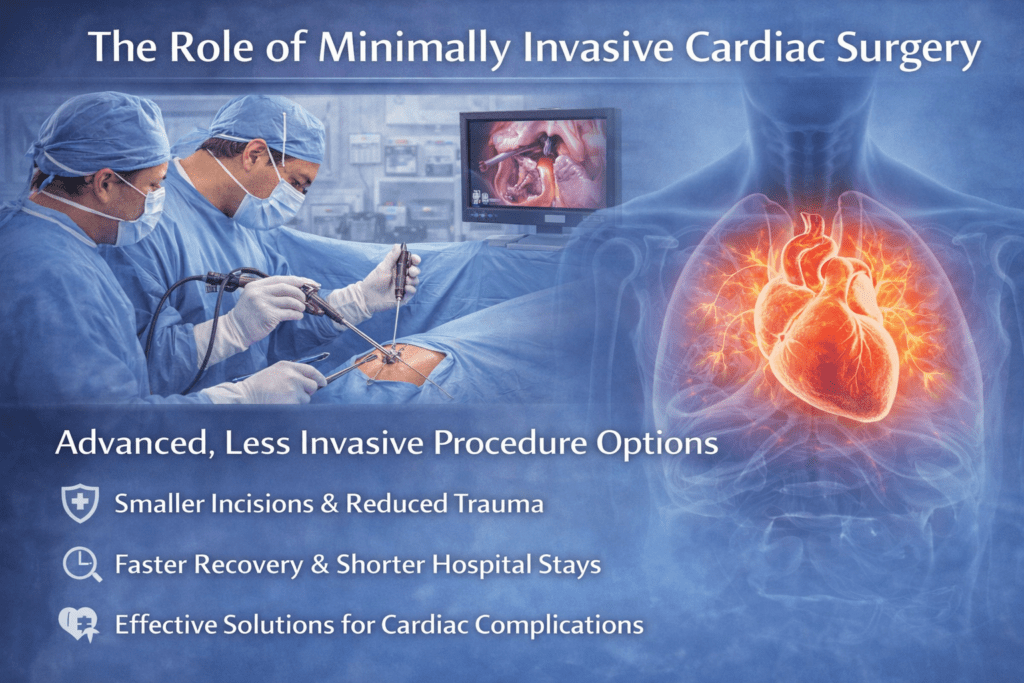

While myocarditis is primarily treated medically, there are situations where surgical intervention is necessary. At MICS Heart, we specialize in minimally invasive cardiac surgery (MICS) techniques that offer a less invasive alternative to traditional open-heart surgery. These procedures involve smaller incisions, resulting in reduced trauma, faster recovery times, and shorter hospital stays.
Minimally invasive techniques can be particularly beneficial for patients with structural cardiac complications resulting from myocarditis, such as valve repair or replacement. By utilizing advanced technology and precise surgical techniques, MICS Heart is able to provide effective treatment options that prioritize patient safety and comfort.
For patients who have been advised to undergo open-heart surgery, exploring minimally invasive options can offer significant advantages. These include reduced scarring, less pain, and a quicker return to normal activities, making MICS a preferred choice for many individuals seeking cardiac care.
Importance of Timely Cardiac Care and Expert Evaluation
Timely cardiac care and expert evaluation are crucial components of managing myocarditis and preventing long-term complications. Early diagnosis and intervention can significantly improve outcomes and reduce the risk of severe cardiac issues. At MICS Heart, we emphasize the importance of seeking prompt medical attention for symptoms of myocarditis and exploring all available treatment options.
Our team of experienced cardiac specialists is dedicated to providing comprehensive care and guidance for patients with myocarditis. By leveraging advanced diagnostic tools and minimally invasive surgical techniques, we offer a patient-centered approach that focuses on achieving the best possible outcomes with the least amount of disruption to patients’ lives.
Empowering patients with knowledge and understanding of their condition is at the core of MICS Heart’s mission. By providing clear, accurate information and compassionate care, we aim to reduce fear and help patients make informed decisions about their heart health, ensuring they receive the most appropriate and effective treatment available.
Frequently Asked Questions
Q1. What are the common symptoms of myocarditis?
A1. Common symptoms of myocarditis include chest pain, fatigue, shortness of breath, and palpitations. Some patients may also experience flu-like symptoms such as fever, body aches, and sore throat, especially if the cause is viral. Severe cases might show signs of heart failure, requiring immediate medical attention.
Q2. How is myocarditis diagnosed?
A2. Myocarditis is diagnosed through a combination of clinical evaluation, blood tests, and imaging studies like echocardiograms or MRIs. In certain cases, a heart muscle biopsy may be performed for a definitive diagnosis, providing valuable insights into the specific cause of myocarditis.
Q3. What causes myocarditis?
A3. Myocarditis can be caused by viral infections, autoimmune diseases, or reactions to medications or toxins. Viruses such as Coxsackie virus and influenza are common triggers. Autoimmune conditions like lupus can also lead to myocarditis, as part of a broader systemic response.
Q4. What is the role of minimally invasive cardiac surgery in myocarditis?
A4. While myocarditis is mainly treated medically, minimally invasive cardiac surgery may be necessary for structural complications like valve repair. These techniques involve smaller incisions, reducing trauma and recovery time, and offering a less invasive alternative to traditional surgery.
Q5. Why is timely cardiac care important for myocarditis?
A5. Timely cardiac care is crucial to prevent long-term complications from myocarditis, such as heart failure or arrhythmias. Early diagnosis and intervention can improve outcomes significantly, reducing the risk of severe cardiac issues and ensuring effective treatment.