

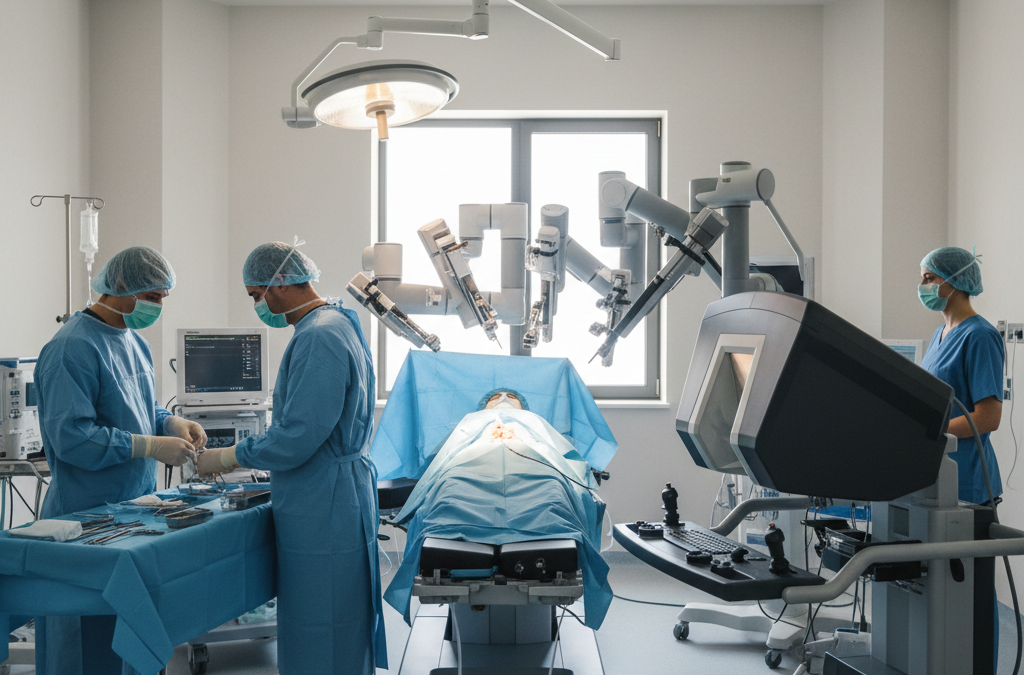
Robotic heart surgery has revolutionized cardiac care worldwide, enabling surgeons to perform intricate procedures with unparalleled precision and minimal invasiveness. Unlike traditional open-heart surgeries, robotic-assisted techniques reduce trauma, accelerate recovery, and improve outcomes. India has emerged as a hub for robotic cardiac surgery, combining advanced technology with skilled surgeons to deliver world-class care. From pioneering procedures to the adoption of indigenous robotic systems, India’s experience highlights clinical excellence and technological innovation. This article traces the evolution of robotic heart surgery globally, with a focus on India’s contributions and achievements.
Global Evolution of Robotic Heart Surgery
Robotic heart surgery emerged in the late 1990s as a transformative approach to cardiac care. The first robotic-assisted coronary artery bypass graft (CABG) surgery in 1998 marked a milestone, introducing enhanced precision and minimally invasive techniques. Systems like the da Vinci Surgical System revolutionized complex procedures such as valve repairs, congenital defect corrections, and bypasses. Globally, robotic heart surgery reduced patient trauma, shortened recovery times, and minimized infection risks. Over the past two decades, these advancements have made robotic heart surgery a preferred choice for patients seeking safer, faster, and more effective cardiac interventions.

Robotic Heart Surgery in India: Milestones
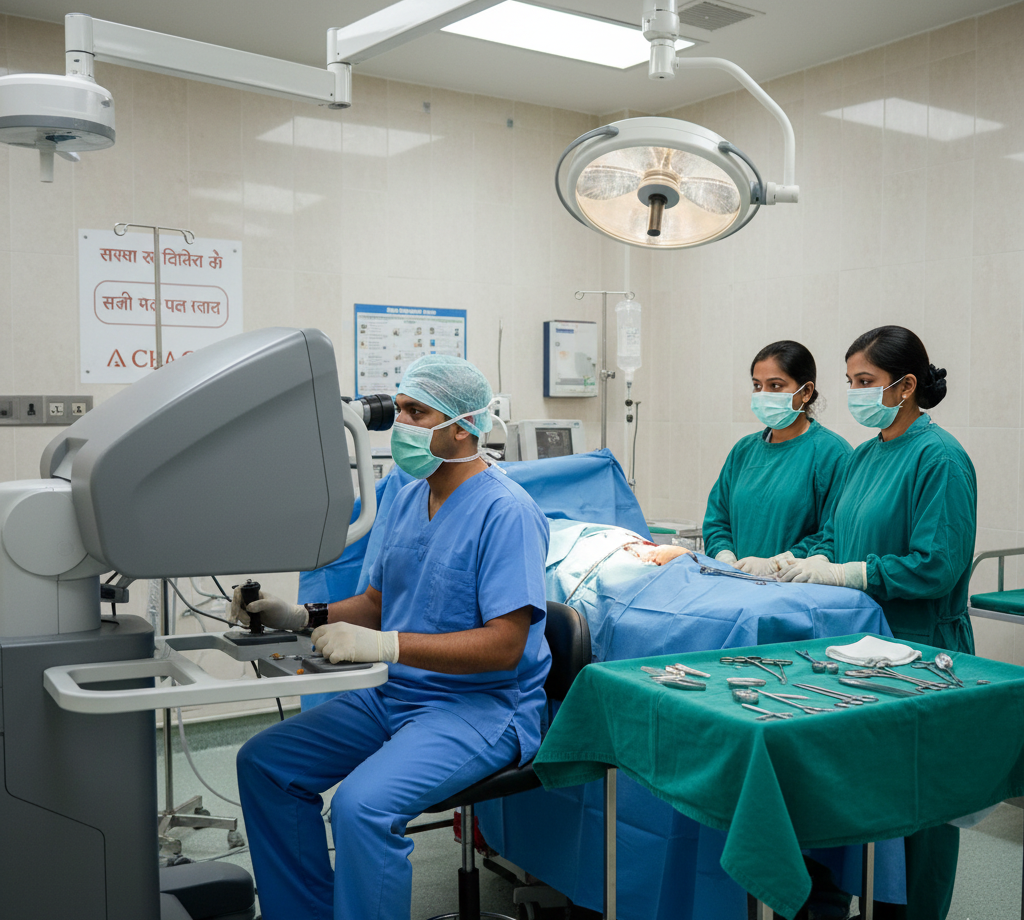
India embraced robotic heart surgery in the early 2000s, ushering in a new era of cardiac care. In 2006, Dr. R. Ravi Kumar performed India’s first robotic mitral valve replacement, demonstrating the country’s capability for complex robotic procedures. The world’s first robotic double valve replacement followed in 2011 at Chettinad Health City, Chennai. Since then, hospitals such as Max Healthcare, Narayana Health, Apollo Hospitals, and AIIMS have integrated robotic-assisted surgeries into their cardiac programs. Today, India is recognized as a leader in minimally invasive cardiac surgery, performing both routine and complex robotic heart procedures with remarkable outcomes.
Robotic Heart Surgery vs Traditional Surgery
Robotic heart surgery offers significant advantages over traditional open-heart procedures:
- Incision Size: Robotic surgery requires tiny incisions, compared to the large chest openings of conventional surgery.
- Recovery Time: Patients often resume normal activities within 2–4 weeks, versus 6–12 weeks for traditional surgery.
- Blood Loss & Infection Risk: Reduced trauma leads to lower blood loss and fewer postoperative complications.
- Surgical Precision: Robotic systems provide unmatched dexterity and 3D visualization, enabling precise valve repairs or bypasses.
- Patient Comfort: Less pain, minimal scarring, and shorter hospital stays improve the overall experience.
These benefits have made robotic heart surgery increasingly popular among Indian patients seeking advanced care.

Technological Advantages of Robotic Heart Surgery
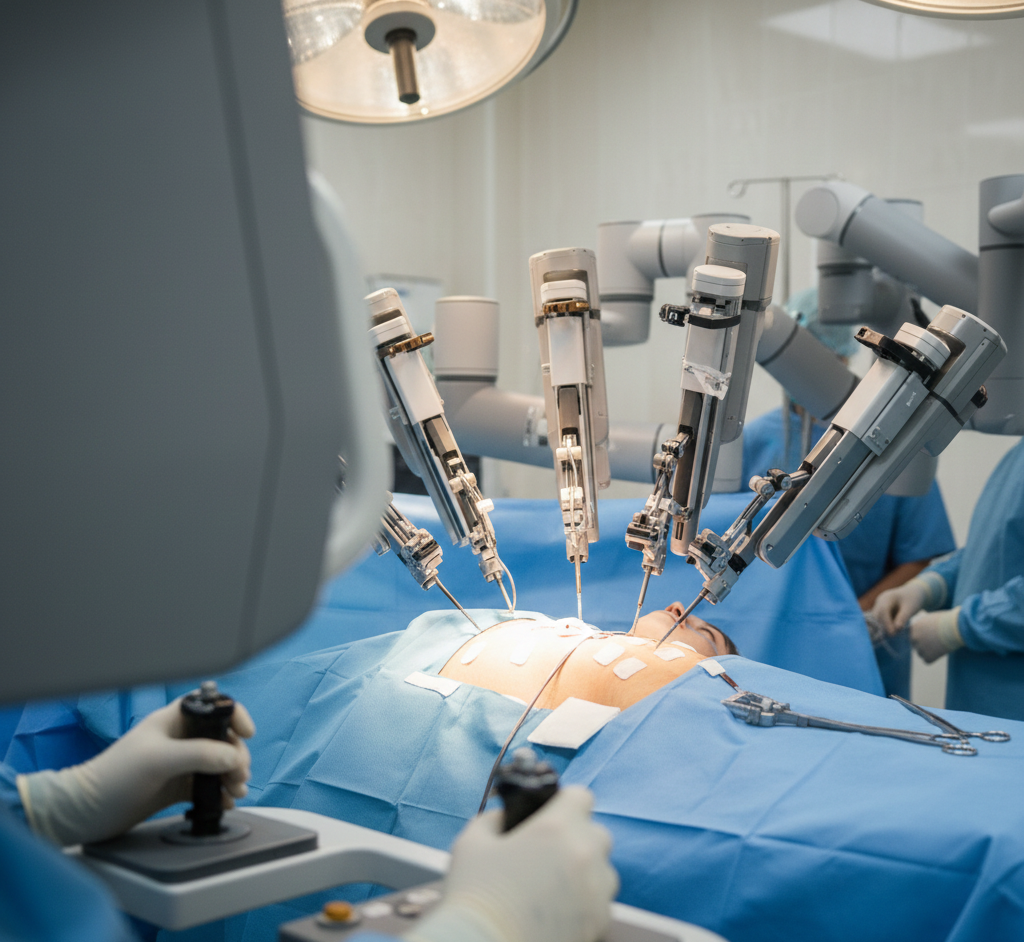
Robotic heart surgery is defined by its technological innovations:
- Enhanced Precision: Robotic arms allow fine, controlled movements for delicate procedures.
- Minimally Invasive: Small incisions reduce trauma, pain, and scarring.
- 3D Visualization: Surgeons gain a magnified, high-definition view of the heart.
- Reduced Blood Loss: Accurate maneuvering minimizes intraoperative bleeding.
- Shorter Hospitalization: Patients recover faster and experience fewer complications.
These advantages improve surgical outcomes, patient satisfaction, and the overall efficiency of cardiac care.
Popular Robotic Heart Procedures in India
Several robotic-assisted cardiac procedures are increasingly performed in India:
- Mitral Valve Repair/Replacement: Corrects valve defects with high precision.
- Coronary Artery Bypass Graft (CABG): Minimally invasive bypass using robotic systems.
- Atrial Septal Defect Repair: Closing heart defects with minimal trauma.
- Complex Valve Surgeries: Multiple valve repairs or replacements performed robotically.
These procedures, previously only possible through open-heart surgery, are now safer and faster. Indian hospitals performing these surgeries consistently report high success rates, demonstrating the country’s leadership in advanced robotic cardiac care.
Indian Innovations and Contributions
India has contributed significantly to robotic heart surgery advancements:
- Robotic Cardiac Telesurgery: Surgeons in Gurugram performed remote surgeries on patients in Jaipur using the indigenous SSI Mantra system.
- Affordable Access: Robotic procedures in India are significantly cheaper than in Western countries.
- Government & Institutional Initiatives: Hospitals like AIIMS and public healthcare programs have expanded robotic surgery access.
- Training Excellence: Indian cardiac surgeons are recognized globally for performing complex robotic heart procedures efficiently.
These contributions have made India a benchmark in innovative, cost-effective robotic cardiac care.


Patient Experience and Outcomes in India
Robotic heart surgery in India ensures patient-centered care:
- Faster Recovery: Most patients resume daily activities in 2–4 weeks.
- Shorter Hospital Stays: Average hospitalization is just 2–4 days.
- Reduced Pain & Trauma: Small incisions minimize discomfort.
- High Success Rates: Elective robotic procedures report success rates exceeding 95%.
- Enhanced Patient Satisfaction: Faster recovery, lower complications, and minimally invasive methods lead to a positive experience.
These outcomes highlight India’s excellence in robotic cardiac surgery.
Cost Considerations and Accessibility in India
Robotic heart surgery, while technologically advanced, is increasingly accessible in India:
- Cost Advantage: Procedures range between ₹5–12 lakh, significantly lower than in the US or Europe.
- Insurance Coverage: Many private and government schemes cover robotic cardiac procedures.
- Government Initiatives: AIIMS and state hospitals expand robotic surgery programs for public access.
- Urban & Tier-2 Hospital Availability: Robotic heart surgery is increasingly available across major Indian cities, ensuring wider patient access.
This combination of affordability and advanced care makes robotic heart surgery a viable option for more patients.

Challenges and Future Directions
Robotic heart surgery in India faces challenges:
- High Initial Investment: Robotic systems are expensive for smaller hospitals.
- Specialized Training Required: Surgeons need extensive skill development.
- Patient Awareness: Limited knowledge among some patients about robotic options.
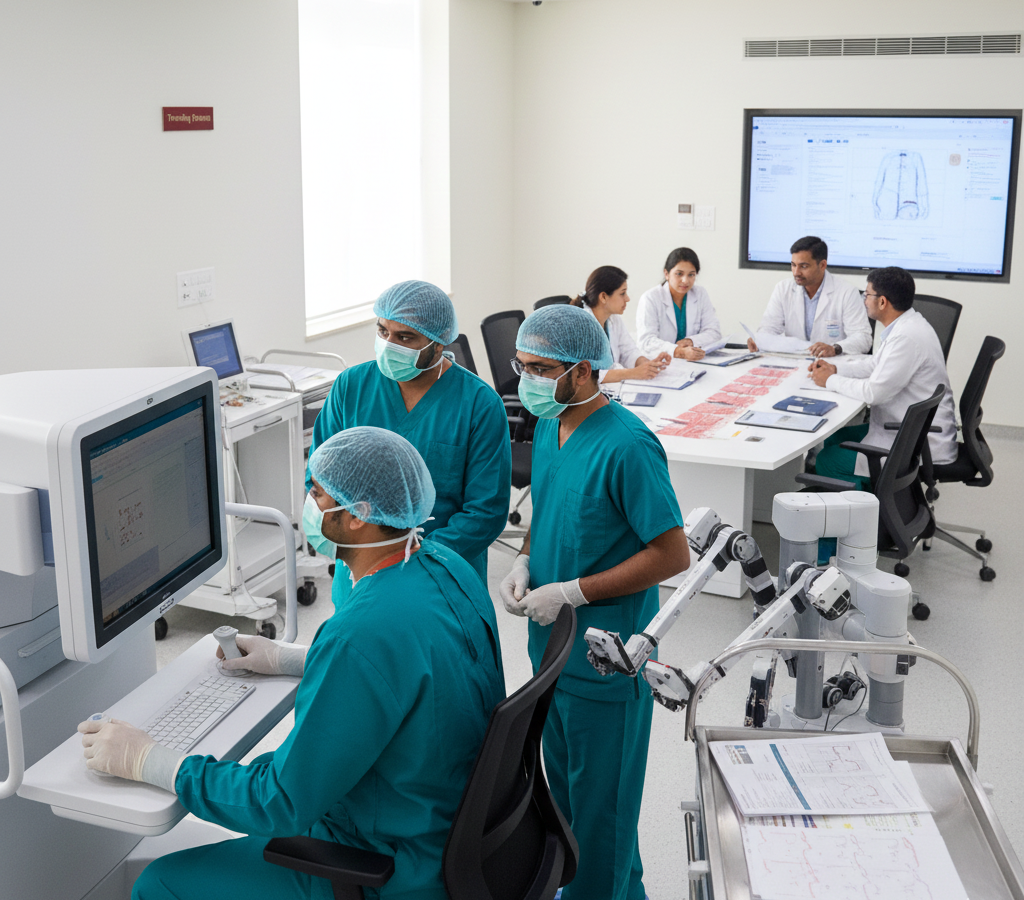
- Future Innovations: AI-assisted surgeries, telesurgery, and next-gen indigenous robots will expand access and precision.
Despite these challenges, India’s focus on innovation, training, and infrastructure continues to strengthen the country’s position as a global leader in robotic cardiac surgery.
Choose a Proven, Minimally Invasive Solution for Heart Surgery
Robotic heart surgery represents the forefront of minimally invasive, precise, and patient-friendly cardiac care. India’s journey, marked by pioneering surgeries, innovative technologies, and exceptional patient outcomes, underscores its leadership in this field. At MicsHeart, we combine cutting-edge robotic systems with expert cardiac surgeons to deliver advanced, personalized care for every patient. From complex valve repairs to coronary bypasses, MicsHeart ensures high success rates, faster recovery, and minimal trauma. By choosing MicsHeart, patients experience the best of robotic heart surgery, supported by a commitment to excellence, innovation, and compassionate care.