


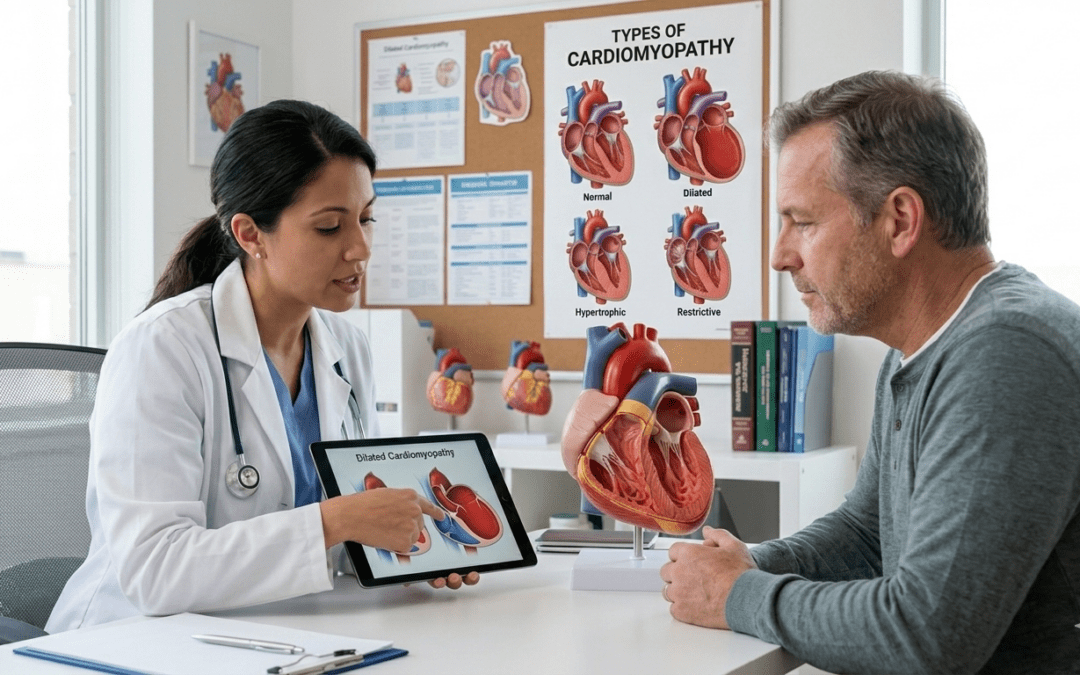
Cardiomyopathy refers to a group of diseases that affect the heart muscle, leading to a variety of complications. Among the various types of cardiomyopathy, Hypertrophic Obstructive Cardiomyopathy (HOCM) is notable for its potential to obstruct blood flow and induce heart-related symptoms. Minimally Invasive Cardiac Surgery (MICS) is a modern approach to treating such conditions, offering numerous benefits over traditional surgery, including reduced pain and quicker recovery times. Understanding the nuances of cardiomyopathy and the role of MICS in its treatment is crucial for patients and caregivers seeking effective cardiac care.
Understanding Cardiomyopathy
Cardiomyopathy is a term that encompasses various conditions affecting the heart muscle’s structure and function. Unlike coronary artery disease, which is caused by blockages in the arteries, cardiomyopathy is intrinsic to the heart muscle itself. This condition can lead to heart failure, arrhythmias, and other severe complications.
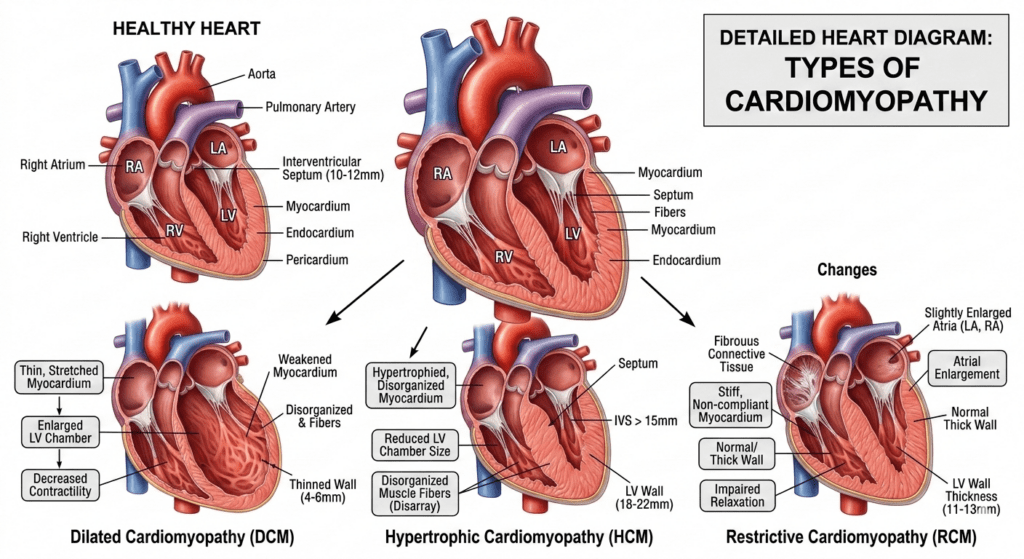

There are several types of cardiomyopathy, including dilated, hypertrophic, restrictive, and arrhythmogenic right ventricular cardiomyopathy. Each type has distinct characteristics and impacts the heart’s ability to pump blood effectively. Hypertrophic cardiomyopathy, in particular, involves the thickening of the heart muscle, which can obstruct blood flow and lead to symptoms such as shortness of breath, chest pain, and fainting spells.
The causes of cardiomyopathy vary and can include genetic factors, long-term high blood pressure, heart valve problems, and metabolic disorders. Understanding the underlying cause is essential for determining the appropriate treatment strategy.
Symptoms and Diagnosis of Cardiomyopathy
Symptoms of cardiomyopathy can range from mild to severe and may include fatigue, swelling of the legs, ankles, and feet, and palpitations. Some patients may not experience any symptoms until the condition progresses to a more advanced stage.
Diagnosing cardiomyopathy involves a combination of medical history assessment, physical examination, and diagnostic tests. These tests may include echocardiograms, electrocardiograms (ECG), magnetic resonance imaging (MRI), and blood tests. These investigations help in determining the type and extent of cardiomyopathy, which is critical for planning treatment.
Early diagnosis and treatment are vital in managing cardiomyopathy effectively and preventing complications such as heart failure and arrhythmias. Patients with a family history of cardiomyopathy should consider regular screenings to detect the condition early.
Minimally Invasive Cardiac Surgery (MICS) in Cardiomyopathy Treatment
MICS has revolutionized the treatment of cardiomyopathy by offering a less invasive alternative to traditional open-heart surgery. One of the primary techniques used in MICS is the right mini-thoracotomy, which involves making a small incision to access the heart. This approach is particularly beneficial in performing surgical septal myectomy, a procedure that reduces the thickened heart muscle in patients with HOCM.
The advantages of MICS include reduced blood loss, decreased pain, and shorter hospital stays. Patients typically experience quicker recovery times, allowing them to return to their daily activities with minimal disruption. These benefits make MICS an attractive option for patients seeking effective treatment with fewer complications.
In addition to treating HOCM, MICS is also used for mitral valve surgery, where it facilitates valve repair or replacement. The minimally invasive nature of MICS reduces the trauma associated with traditional surgery, enhancing patient outcomes and satisfaction.
Potential Complications: Takotsubo Cardiomyopathy
While MICS offers numerous benefits, it is essential to be aware of potential, albeit rare, complications. One such complication is Takotsubo cardiomyopathy, a stress-induced heart dysfunction. This condition is characterized by temporary weakening of the heart muscle, often triggered by physical or emotional stress.
Patients undergoing MICS for cardiomyopathy should be monitored for signs of Takotsubo cardiomyopathy, which include chest pain, shortness of breath, and ECG changes. Although this condition is reversible and usually resolves with appropriate management, early detection and intervention are crucial to prevent further complications.
The occurrence of Takotsubo cardiomyopathy highlights the importance of comprehensive preoperative assessment and postoperative monitoring in patients undergoing MICS. By understanding the potential risks and benefits, patients can make informed decisions about their treatment options.
Benefits of MICS Over Traditional Surgery
MICS offers several advantages over traditional open-heart surgery, making it a preferred choice for many patients. The smaller incisions used in MICS lead to less surgical trauma, resulting in reduced postoperative pain and a lower risk of infection.
Additionally, the shorter recovery times associated with MICS allow patients to resume their normal activities more quickly. This aspect is particularly appealing to individuals who are concerned about the impact of surgery on their lifestyle and daily responsibilities.
From a cost perspective, MICS can be more economical due to shorter hospital stays and reduced need for postoperative care. Patients seeking cost-effective treatment options often find MICS to be a viable solution that balances efficacy with affordability.
Who Should Consider MICS?
MICS is suitable for patients with cardiomyopathy who require surgical intervention but seek an alternative to traditional open-heart surgery. It is particularly beneficial for individuals with HOCM or those needing mitral valve repair or replacement.
Patients advised to undergo open-heart surgery, but looking for less invasive options may find MICS appealing. The procedure’s reduced invasiveness and quicker recovery make it an ideal choice for those prioritizing minimal disruption to their daily lives.
Before opting for MICS, patients should discuss their specific medical conditions, needs, and expectations with their healthcare provider. This discussion ensures that they understand the potential benefits and risks, enabling them to make an informed decision about their treatment plan.

Recovery from MICS is typically smoother and faster compared to traditional surgery. Patients can expect to spend less time in the hospital, with many being discharged within a few days after the procedure.
Postoperative care involves regular follow-up visits to monitor the patient’s progress and address any concerns that may arise. Patients are advised to adhere to a heart-healthy lifestyle, including a balanced diet, regular exercise, and managing stress, to support optimal recovery and long-term heart health.
Open communication with healthcare providers is essential during the recovery phase. Patients should report any unusual symptoms or concerns promptly to ensure timely intervention and continued success in their treatment journey.
Empowering Patients with Information
For patients and caregivers navigating the complexities of cardiomyopathy and its treatment, having access to reliable, patient-friendly information is paramount. MICSHeart is dedicated to providing clear insights into advanced cardiac procedures, empowering individuals to make informed decisions with confidence.
By focusing on evidence-based guidance and maintaining transparency, MICSHeart helps demystify the treatment process, reducing fear and anxiety. This approach fosters a sense of reassurance and trust, enabling patients to explore modern alternatives to conventional open-heart surgery without hesitation.
Ultimately, the goal is to equip patients with the knowledge they need to choose the safest, most effective cardiac solutions tailored to their unique needs and preferences, promoting better health outcomes and quality of life.


Dr. Sathyaki Nambala
🗣 English, Hindi
Get Directions