


An Atrial Septal Defect (ASD) is a congenital condition where a hole persists in the wall (septum) separating the heart’s two upper chambers. While some ASDs remain silent in childhood, many present in adulthood with symptoms such as breathlessness, fatigue, palpitations, or recurrent respiratory infections. Left untreated, ASD can lead to heart failure, pulmonary hypertension, atrial fibrillation, and reduced life expectancy.
With advances in cardiology and cardiac surgery, patients today are commonly offered two treatment approaches:
- ASD Device Closure (interventional cardiology procedure)
- Surgical ASD Closure, now increasingly performed using minimally invasive and robotic techniques
Understanding the difference, suitability, risks, and long-term outcomes of these options is critical before making a treatment decision.
Understanding ASD Device Closure
ASD device closure is a catheter-based procedure performed by an interventional cardiologist. A closure device is delivered to the heart through a blood vessel (usually from the groin) and positioned across the defect to seal it.
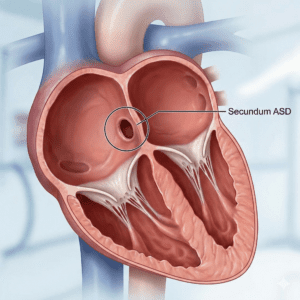

Device closure is suitable only in selected patients, typically those with:
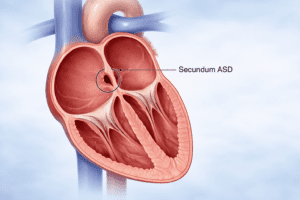
- Secundum type ASD
- Adequate surrounding tissue rims
- Small to moderate defect size
- No associated valve disease or structural abnormalities
For these patients, device closure can be an effective, minimally invasive solution.
Advantages of ASD Device Closure
- No surgical incision
- Short hospital stay
- Faster early recovery
- Avoidance of cardiopulmonary bypass
Limitations and Risks
Despite its benefits, device closure has limitations:
- Not suitable for large ASDs or deficient rims
- Cannot correct associated valve or rhythm problems
- Risk of device erosion, embolization, residual shunt, or arrhythmias
- Permanent foreign body remains inside the heart
For patients with complex anatomy or additional cardiac conditions, device closure may not provide a complete or durable solution.
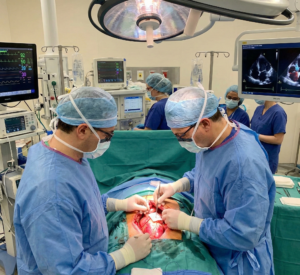

Surgical ASD closure involves closing the defect directly using sutures or a patch under visual control of the surgeon. Traditionally, this required open-heart surgery with a full chest incision. However, surgical techniques have evolved significantly.
Today, ASD repair can be performed using Minimally Invasive Cardiac Surgery (MICS) and robotic-assisted cardiac surgery, offering the benefits of surgery without the trauma of conventional open procedures.
To understand the broader role of minimally invasive techniques in modern heart care, patients can explore
Advances in Surgical ASD Closure: Minimally Invasive and Robotic Techniques
Minimally Invasive ASD Surgery
Minimally invasive ASD repair is performed through small side chest incisions, avoiding breastbone cutting. This approach reduces pain, blood loss, and recovery time while providing surgeons with direct access to the heart.
These techniques are part of a broader shift toward less traumatic cardiac procedures, similar to advances seen in minimally invasive valve replacement and bypass surgery

Robotic cardiac surgery represents the most advanced form of minimally invasive heart surgery. Using robotic arms controlled by an expert surgeon, ASD repair is performed through keyhole incisions with extreme precision.
Robotic systems provide:
- High-definition, magnified 3D vision
- Superior surgical accuracy
- Minimal tissue trauma
- Excellent cosmetic outcomes
Learn more about robotic heart surgery and its clinical applications
Robotic platforms are already well-established in procedures such as robotic mitral valve repair and are now increasingly applied to congenital defect repairs like ASD.
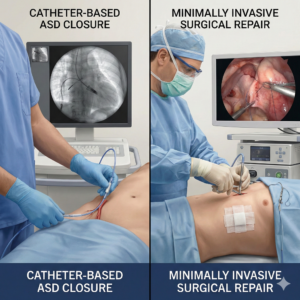
ASD Device Closure vs Surgical ASD Closure: Key Differences
1. Eligibility
Device closure is limited to selected ASDs, while surgical repair can treat all ASD types, including large defects, multiple holes, and complex anatomy.
2. Ability to Address Associated Conditions
Surgery allows correction of associated valve disease, arrhythmias, or other structural abnormalities during the same procedure—something device closure cannot achieve.
Patients with rhythm disorders may benefit from understanding conditions such as atrial fibrillation
3. Long-Term Durability
Surgical ASD repair offers permanent anatomical correction. Device closure carries a small but real risk of late complications that may require re-intervention.
4. Recovery and Quality of Life
With modern minimally invasive and robotic approaches, surgical recovery is faster than traditional open surgery and comparable to device closure—without the long-term device-related concerns.
Cost Considerations and Value Over Time
While ASD device closure may appear less invasive, surgical ASD repair often provides better long-term value, particularly in patients who require definitive correction or combined procedures.
Patients often underestimate the importance of long-term outcomes over initial cost. For a broader understanding of cardiac surgery economics in India, refer to
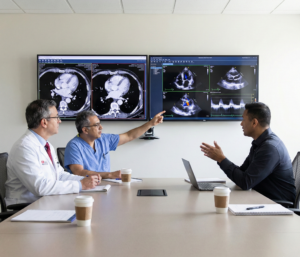

Choosing the right treatment is not a one-size-fits-all decision. Factors considered include:
- Type, size, and location of ASD
- Heart anatomy and tissue quality
- Patient age and symptoms
- Presence of arrhythmias or valve disease
- Availability of minimally invasive or robotic expertise
A multidisciplinary evaluation ensures the safest and most effective treatment plan.

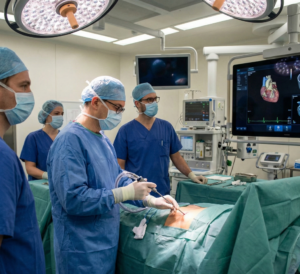
Why Surgical ASD Closure Is Not “Old-Fashioned” Anymore
There is a common misconception that surgery is outdated compared to device-based interventions. In reality, surgical ASD closure has evolved dramatically, just like other modern cardiac procedures.
Robotic and minimally invasive techniques now offer:
- Smaller incisions
- Less pain and blood loss
- Faster return to normal life
- Excellent cosmetic results
Patient journeys documented at MICSHeart reflect these outcomes
How MICSHeart Supports Patients with ASD
MICSHeart is committed to providing evidence-based, patient-focused guidance on advanced cardiac treatments, including minimally invasive and robotic surgical ASD repair. Our platform helps patients understand modern alternatives to conventional open-heart surgery while emphasizing safety, precision, and long-term outcomes.
If you or your loved one has been diagnosed with an ASD and are exploring less invasive yet definitive treatment options, expert evaluation is the first step.
Speak with a cardiac surgery specialist
Frequently Asked Questions (FAQs)
Q1. Is ASD device closure safer than surgical ASD closure?
Both are safe when used in appropriate patients. Surgical closure offers definitive repair and broader applicability, especially with minimally invasive techniques.
Q2. Can robotic surgery be used for ASD repair?
Yes, in selected patients, robotic surgery allows precise ASD closure with minimal trauma and excellent recovery outcomes.
Q3. How long does recovery take after surgical ASD closure?
Most patients undergoing minimally invasive or robotic surgery resume daily activities within 2–4 weeks.
Q4. Will there be a visible scar after surgery?
Robotic and minimally invasive procedures leave only small, discreet scars without a full chest incision.
Q5. Does ASD closure prevent future heart problems?
Timely and complete closure significantly reduces the risk of heart failure, arrhythmias, and pulmonary hypertension.